
A house inclusion checklist is a list of items, features and specifications included in a new build price. Most builders have a house inclusion checklist in their building contract which usually include everything from structural and external items to kitchen, bathroom, laundry and electrical. Not all homes have the same standard inclusions and they can vary significantly between builders. Understanding the house inclusion checklist is essential to see what is standard and considered an upgrade.
What is a Standard Inclusion?
Standard inclusions are the essential features that are included in the price of a home. This inclusion list should be detailed so you know what you are getting for the price. While standard inclusions can differ between builders, some inclusions like flooring, lighting and cabinetry are common across building companies. A detailed standard inclusion list will indicate the quality of the products the builder includes as standard, keeping in mind that some builders have higher quality standard inclusions than others.
List of Common Standard Inclusions
While some builders offer different types of inclusions in their base price, there are some common features, materials and finishes that are included. Standard common inclusions range from pre-construction to interior finishes, plumbing and utilities.
Pre-construction
This is the initial part of the house inclusion checklist that involves the preliminary steps prior to construction. These standard inclusions are things like the preliminary drawings, floor plans, electrical plans and elevations. This pre-construction list is helpful to work with the builder to create a detailed list of inclusions that specifies brands, models and colours as standard options. A pre-construction list often includes:
- Construction agreement and contract
- Building permits, council fees, insurance
- Engineering design
- Soil report and site survey
- Site works allowance
- Energy efficiency report
Structural and exterior
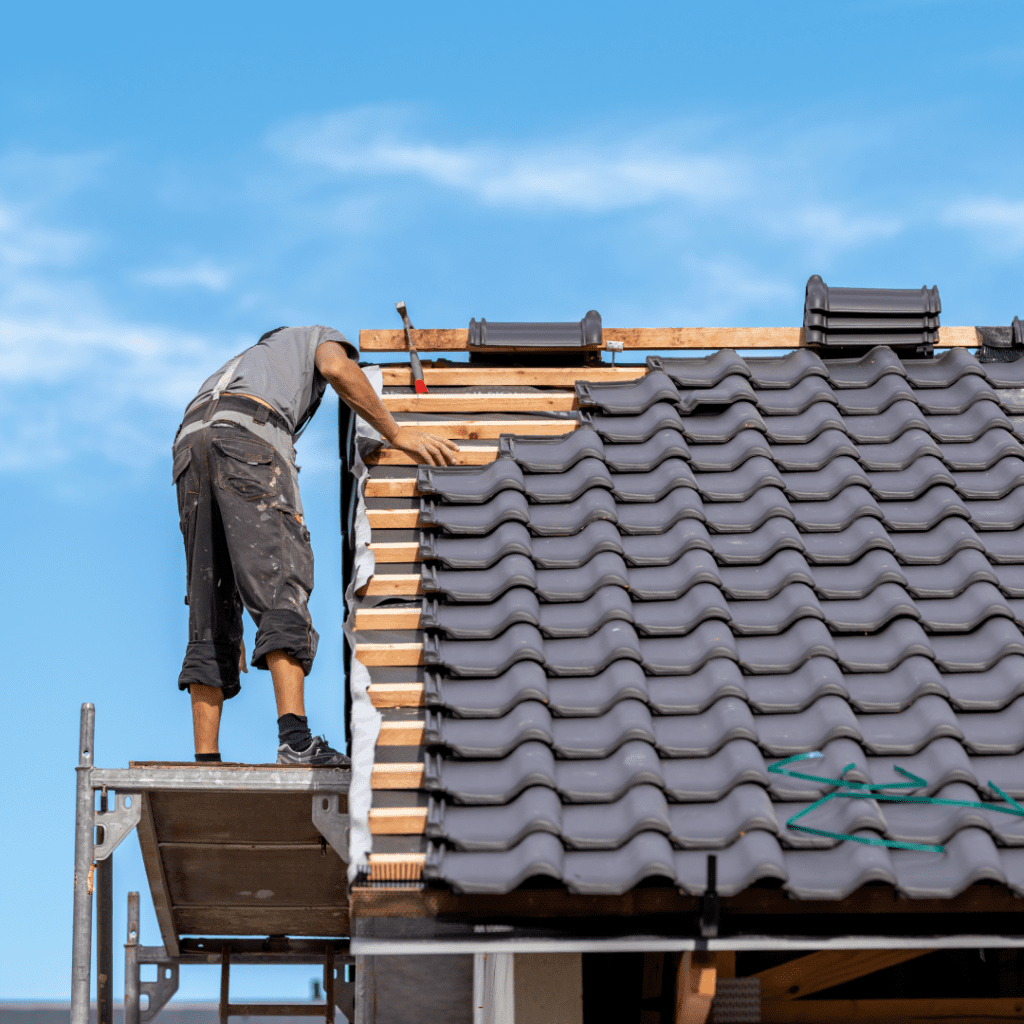
These are the components that provide the house’s structural integrity and visible external elements. Usually common standard inclusions for the structure include foundation, roof and external cladding. Typical structural inclusions are:
- Foundation: Either a concrete slab of stumps (depending on soil type and block slope)
- Engineered sub floor: Galvanised steel or timber sub floor
- Framing: Treated timber wall frames and trusses or steel
- Bracing: Plywood bracing to exterior walls
- Roof: Typically covers concrete tiles or metal colourbond roof material, roof pitch, fascia, guttering and downpipes
- Exterior finishes: A house exterior and facade with usually brick veneer but sometimes options of timber or other materials. Exterior finishes also often include brick lintels over doors and windows, or a brick infill above the garage door.
- Windows and doors: A list of specifications for windows and exterior doors like material, colour, and type. It may also include security features like screens.
- Decking and balustrades: Materials used for decks and balustrades on balconies, verandahs or patios. This includes the flooring and handrail material specifications.
- Lighting: Outdoor lighting fixtures for external areas like front door, porches or alfresco spaces.
Interior
The interior inclusions cover internal features and fittings factored into the base price. This list tends to have the largest amount of items as it covers details like flooring, kitchens, cabinetry and appliances. A standard interior house checklist typically includes:
- Walls: Plasterboard lining, plasterboard cornices and a base coat of paint on interior walls in living, kitchen and bedrooms. Walls are painted with a basic paint of two or three coats in one standard colour. Bathrooms and laundries are wet areas that include water resistant plasterboard and special tilling.
- Ceilings: Plasterboard lining is standard for ceilings including standard plasterboard cornices and architraves. Painting is a flat acrylic typically applied to ceilings.
- Floors: Common standard inclusions for houses are carpet in bedrooms and living areas and tiles or laminate flooring for wet areas. If carpet and tiles or vinyl flooring are included in the contract, they are usually a base level.
- Internal doors: Typically internal doors consist of flush panel, hinged doors with standard level hardware. Privacy locks are often included for the main bedroom and bathrooms. Doors are also included for robes and linen cupboards which may be sliding doors or hinged doors.
- Standard cabinetry: For kitchens and bathrooms, standard cabinetry is often included in the house checklist. Standard cabinetry is typically basic cupboards, benchtops, pantry and overhead cabinets designed for functionality and affordability. Usually materials will be in laminate and include a stainless steel sink and standard appliances like a cooktop and oven. Some inclusions have space for a microwave and dishwasher. In a bathroom, standard cabinetry refers to basic fixtures like a bathroom vanity with a laminate top, basin, shower screen and basic tapware.
- Lighting: Basic light fittings may be included in a standard inclusion checklist. These may consist of single fittings for bedrooms, LED downlights or standard batten fixtures.
Plumbing and utilities
Common inclusions for a standard house checklist are plumbing and utilities like the installation of water and sewer lines, connection of hot water systems, electrical and gas connections. These standard inclusions are necessary to make a house liveable.
- Water and sewer connections: Connection of water and sewer pipes to property and main council services.
- Hot water system: A standard hot water system is included in a common house build contract. This includes a general hot water tank which may be gas or electric and is connected to the house pipes.
- Electrical and gas connections: In Victoria, any residential property wanting a gas connection needs a planning permit since January 2024. All new residential buildings must be electric so standard electrical inclusions apply. These generally involved a single phase underground connection, switchboard and power points throughout the home. One or two external power points are common. Electrical connections also include hardwired smoke detectors and basic TV/data points.
How to Find a Builder’s Standard Inclusions
Typically a builder’s standard inclusions can be found as a written list at a display home, on a website or in brochures. However, the most critical and binding document that displays the standard inclusions is the contract which lists everything that is included in the sale.
When visiting a display home, ask the real estate agent or sales representative to point out what features are standard and included in the baseline price. This is an excellent way to see exactly what you are getting for your money. Make sure they point out what is not included as standard as the upgrades are often the most visually appealing features. Get a detailed inclusion list from the agent, builder or representative so you can understand the basic inclusions. Ask for a list of additional upgrades with prices for those that are featured in the display home. Be aware that standard inclusions do not usually include decorative items like wallpaper, stone benchtops, feature timber walls and tiles or landscaping.
When looking through a builder’s website, take note of what is listed as an inclusion and an upgrade. A good website will have an extensive and detailed list of inclusions and exclusions. If not, speak to the builder or visit a display home.
What is Usually Not Included in a New Build?
Anything not included in the standard inclusions is an extra cost. These potential upgrades can range from energy efficient doors and windows to higher ceilings or fireplaces and stone benchtops. Items that are not usually included as a standard feature are:
- Landscaping: Gardens and hardscaping are generally not included in a new build. The site will be prepared for the new home and ready for landscaping but gardens, driveways, gates and fences are generally not included in the overall build cost.
- Outdoor entertainment areas: Features like pergolas and outdoor decks are rarely included in a new build and must be added later.
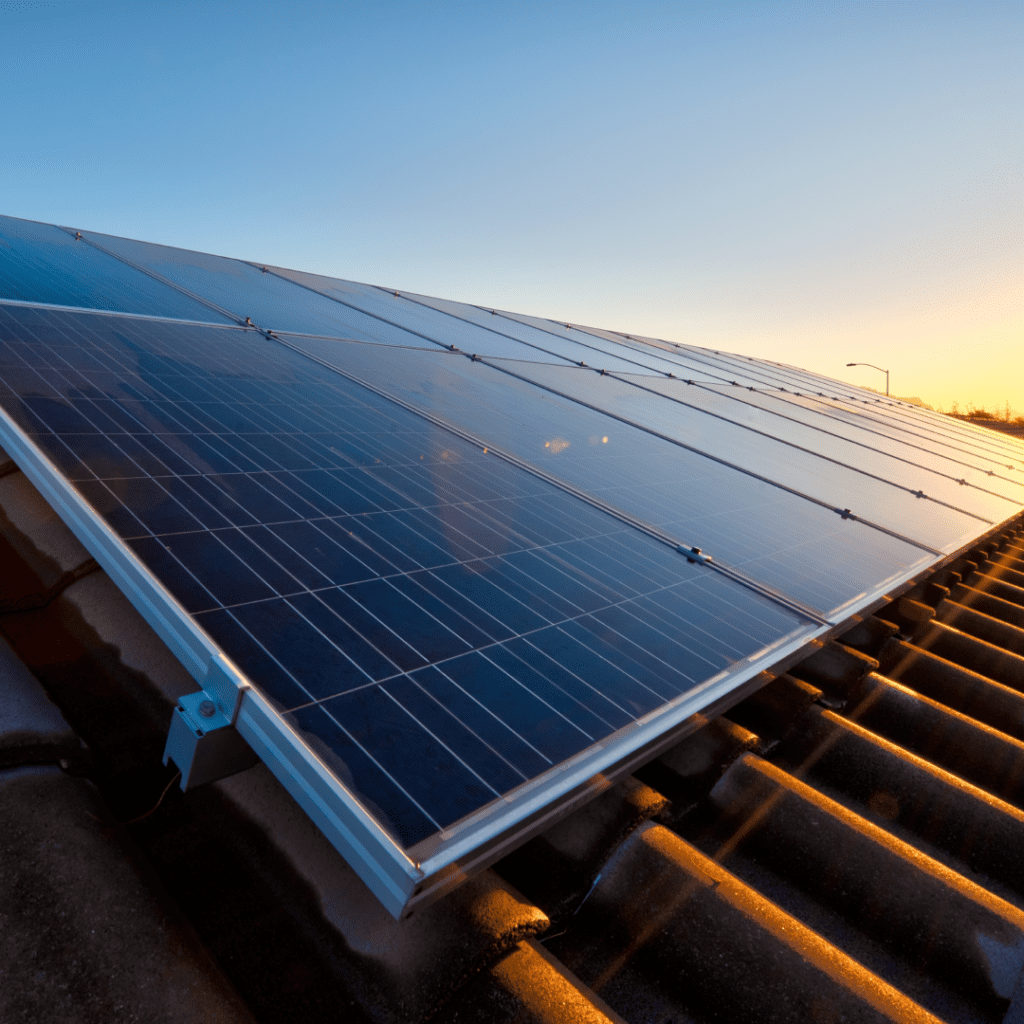
- Energy efficiency upgrades: New builds in Australia have minimum energy efficiency requirements of 7 stars under the Nationwide House Energy Rating Scheme which means they must meet energy efficiency standards. However energy efficiency upgrades like solar panels and double glazed windows are not a standard inclusion in most new builds.
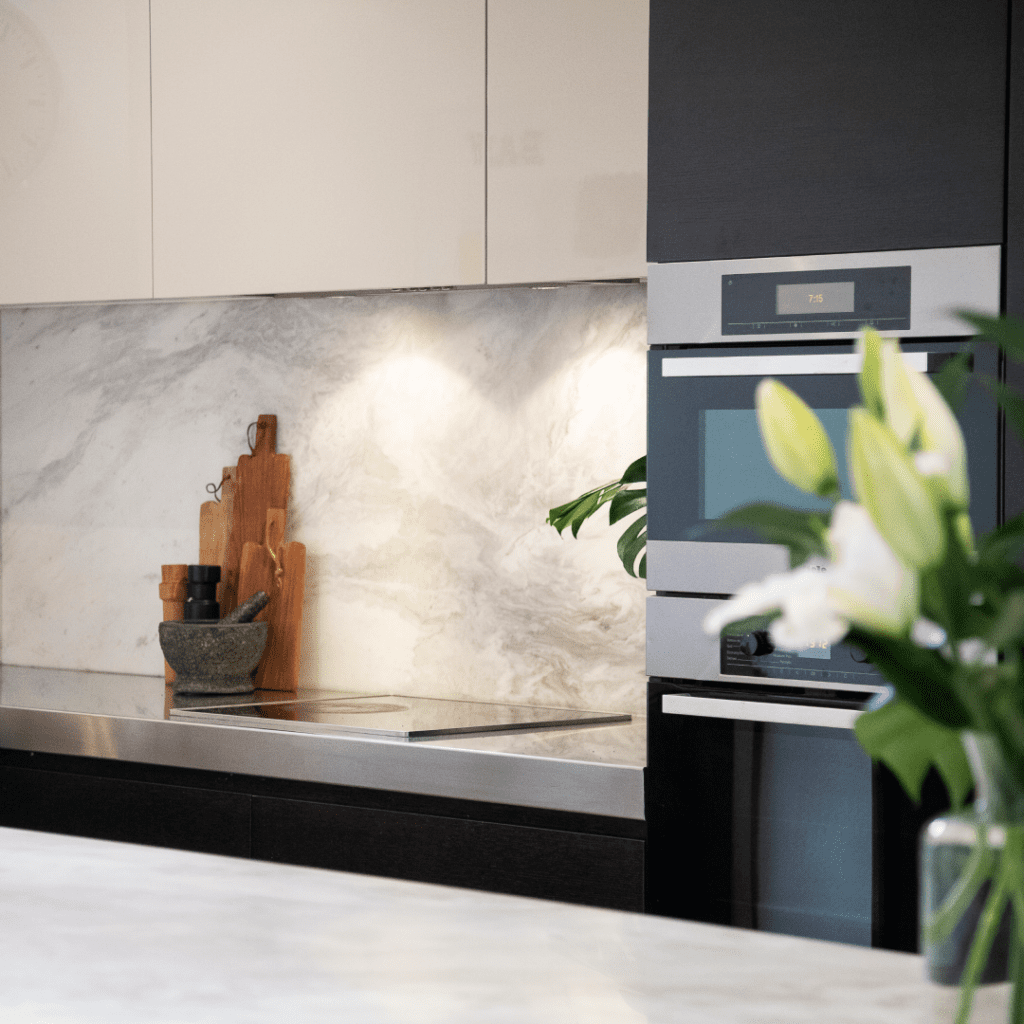
- Kitchen and bathroom: Expensive or designer style fixtures like tapware, showerheads or towel rails are generally not included in a new build. Freestanding baths and spa baths are also considered an upgrade. In a kitchen, high end European or smart home appliances are unlikely to be standard features. Most builders will also include functional improvements like a butler’s pantry, larger island bench, or stone countertops as an upgrade. Technology and conveniences like a built-in microwave, double oven or USB ports are also optional extras not included in a new build.
- Curtains and blinds: Window furnishings are generally not included in a new home build. They are considered a cosmetic element of the home and rarely listed as a standard inclusion. These can range from basic curtains and blinds to more expensive items such as plantation shutters.
- Decor features: Decorative features like wallpaper, fireplaces, bifold doors and windows or pendant lighting are not included in a new build.
How to Choose Upgrades for New Build
When choosing upgrades for a new build, it is important to take into account the cost to upgrade now compared to waiting. If it is a structural issue like extra bedrooms, it might be worth spending the extra money now as these can be more difficult and expensive to add later. On the other hand, decorative touches like flooring or benchtops can be changed later without too much effort. To choose upgrades for a new build, consider these factors:
- Prioritise structural changes: Structural changes like added rooms, higher ceilings or bay windows are more difficult to add later. If these are important to you, consider choosing these upgrades during the building process to save time and money later on.
- Electrical upgrades: Consider spending extra money on electrical upgrades during the build. Extra power points, ceiling fan wiring or pre-wiring for home technology are excellent for future use in the home.
- Energy efficient options: Government incentives for energy efficiency include payment options and rebates for extra upgrades like solar panels. Consider this upgrade in your new build which will save money on power bills and help the environment.
- Comfort and style: Choose upgrades that take into account your comfort and personal style. For those who love cooking, consider upgraded kitchen appliances or stylish elements like stone or quartz countertops. Technology lovers should consider incorporating smart lighting, security or thermostats into their home build.
- Budget: When considering your budget and potential upgrades, prioritise essential changes over cosmetic ones. Categorise your needs over wants when making the decision and choose finishes that can be upgraded later on without breaking the bank.
Buying a new home is an exciting time particularly when it is a house and land package at Harlowe, Bendigo. With so many different designs to choose from, it is important to check out the house inclusions checklist with a focus on the elements that are included in a new build. To see the inclusions in person, visit the display centre and talk to the friendly Harlowe sales team who will answer any questions.